Thomas Klee[1]
19 February 2026
Kinsale Cultural and Heritage Society is exceptionally grateful to Mr. Thomas Klee for allowing us to publish his family’s story on our website. Anyone who reads the piece will be struck by the depth of research Thomas has put into the article on his family. Preserving our history is a cornerstone of our society, and Thomas has certainly excelled at preserving the story of Murphy’s Hotel, Mile Buíochas.
J.J. Hurley, Chairperson, Kinsale Cultural and Heritage Society
The three-story building at 1 Pearce Street, Kinsale, was once known as Murphy’s Hotel. The same building today houses a pub on most of the ground floor (Kitty O’Ses) and a newly renovated guesthouse on the upper two floors (No. 1 Townhouse). Murphy’s Hotel was run by my great grandparents, Catherine Frances (née O’Shea) and Michael Patrick Murphy until Michael’s death in 1920, whereupon Catherine became proprietress until her death in 1937. The hotel lived on under the Murphy name, both in the family and outside the family for many years after that, as we’ll see.
Michael was born on 12 August 1861 to Sara (n´ee Santry) and Patrick Murphy in Lislevane, Bandon. Catherine was born in Bantry on 9 November 1868 to Mary Anne (nee McSweeney) and Patrick O’Shea.
On 11 September 1894, Catherine and Michael married at Saint Finbarr’s South Church in Cork City. The following year their first child (Mary ‘Mamie’) arrived, as did nine more over the next 14 years. My grandfather, Charles Francis Murphy (1906–2002), was the ninth of their 10 children.
My interest in the hotel arose out of the many stories my grandfather told of growing up in Kinsale before emigrating to the United States the year before the Great Depression. His mother had encouraged him to emigrate, arguing that he would have more opportunities abroad. Her advice was based on experience. Previously, two of her brothers and a sister had emigrated to Montana (Daniel in 1881, Annie in 1895 and James in 1914). They were followed by two of her own children who settled in Indiana (John ‘Jack’ in 1916 and Joe in 1921), and finally, by Charlie who followed his brothers to Indianapolis in 1928.
The 1901 Census of Ireland shows that Michael was employed as a Constable in the Royal Irish Constabulary1 and lived with Catherine and their first four children athouse 66 in Carrigtwohill, County Cork. Judging from where their children were born, the Murphys moved to Belgooly the following year and remained there until Charlie’s birth in 1906, by which time they were living in Kinsale at house 5 Main Street.
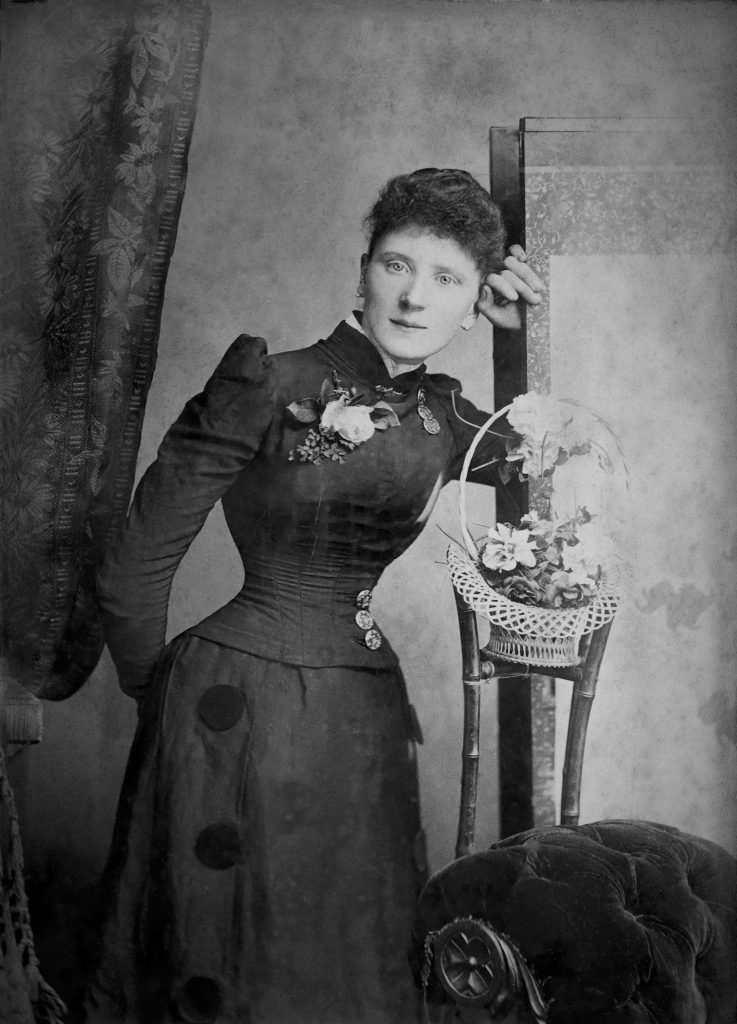
Figure 1: Catherine O’Shea, c. 1886–88. Cabinet card portrait taken at the Sauvy Paris Photographic Studio, 64a Patrick Street, Cork; photo digitised and restored, 2024.
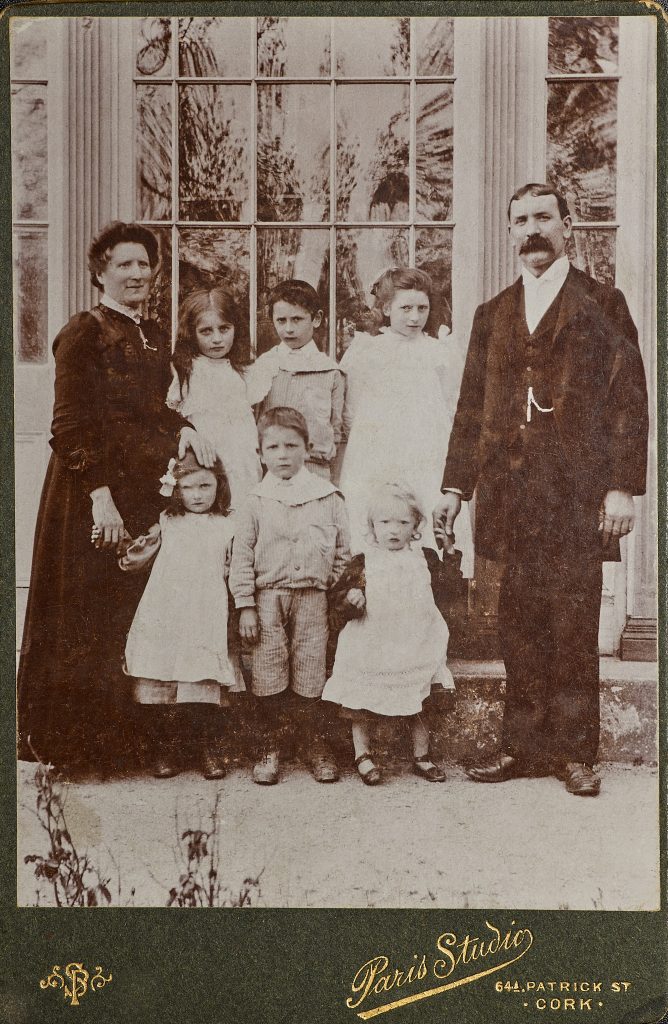
Figure 2: Catherine and Michael Murphy with their first six children. Cabinet card portrait taken in Cork City, c. 1903.
By the time of the 1911 Census, Michael had left the police force and his employment was listed as Shopman–Grocery & Provisions. The census form documents that Catherine was not employed in 1911, presumably indicating that the hotel that she would eventually become proprietress of had not yet been established. The form also shows 13 people living in the Murphy residence at house 4 Main Street, including both parents, their 10 children and Annie, an 18-year-old domestic servant. The form shows that eight of the children, including 4-year-old Charlie, were in school at the time.
The earliest photo I’ve seen of the building that would become the hotel, taken by Robert French sometime around 1900, can be viewed in the photographic collection of the Leabharlann N´aisiu´nta na hEireann/National Library of Ireland´ here. The view looks down what was then called Long Quay (now Pearse Street and part of the R605). Commercial Hall can be seen on the left and what would become the hotel can be seen at the far end of the street. It was then, and still is, a threestorey building having three windows across the second and third floors with two entrances on the front of the building. A sign, Lordan, on the early 1900s building hangs above what appears to be a shop with its entrance on the right. Further to the right is another entrance to what may have been a residence. That same frontage essentially still exists although it had been altered during the intervening years and then restored to its original design we see today.
In the autumn of 1900, Bridget Lordan announced her intention to apply for the transfer of a certificate to sell beer, cider and spirits by retail from her home at 1 Long Quay, Kinsale[2]. Her request was granted without opposition.[3]
Guy’s Postal Directory for 1914 lists Michael Murphy as residing on Long Quay (Pearse St.). He is listed as being a shopkeeper on Main Street (boots and shoes) and on Long Quay (eggs and poultry, fruit, refreshments and tobacco). Since only two hotels were listed in that directory, the Kinsale Arms and Seaview – both on Main Street,[4] we might assume that Murphy’s Hotel had not yet been established.
On 7 May 1915, HMS Lusitania was attacked off the coast of the Old Head of
Kinsale and sunk. Two police officers and 14 men served as members of the jury at the Inquest proceedings that took place at the Kinsale Courthouse. Among the jurors listed was a Michael Murphy,[5] although I haven’t been able to determine whether this was my great grandfather.
The following year, we find mention of a Murphy’s Temperance Hotel in an advert appearing in a local newspaper.[6] This is the earliest written reference I’ve seen to the hotel and it is likely that it was the same hotel as owned by my great grandparents. Adverts regularly appeared in the Skibbereen Eagle between 1916 and 1919 for Murphy’s Temperance Hotel.[7]
Exactly when Catherine and Michael acquired the property that became Murphy’s Hotel is not known but I’m hopeful that readers can help with this and others gaps in the hotel’s history. Since no census was taken in 1921 due to the ongoing Irish War of Independence, the next census in 1926 – and the first of the new Irish Free State – should shed further light on the hotel’s history and the family’s residence when it becomes publicly available 18 April 2026.
The earliest photo I have of the hotel is embedded into the bottom of an ash tray that my grandfather owned. The photo may have been taken sometime during the first decade of the 20th century since horse-drawn carts appear both in this photos and the earlier one taken by Robert French.
The name Murphy’s Hotel is found in a short historical essay by Dermot Ryan, who recounts the events of November of 1922, when the Irish Gardai relieved the Royal Irish Constabulary of their duties:
General Sean Hales took over Murphy’s Hotel…to billet his troops and set about finding premises for the new Guards…Supt. Duffy reported that they “received a splendid reception from the people of Kinsale.”[8]
At the end of 1929, Catherine applied to the Cork Circuit Court ‘for a new licence, being an extension of the existing licence at Long Quay, Newman’s Hill, Kinsale’. The licence would allow ‘a substantial improvement to the existing premises, and would be a special benefit to the town, where they were catering for increased tourist traffic’. Catherine was reported to have said that ‘the premises were fitted up as a hotel, and were being used solely as a hotel…(and) had no public bar.’ The application for the licence was opposed by the State Solicitor but granted by the Judge, who noted that the application was ‘really a hotel licence and he thought it would be a great improvement to have the hall included in the licence.’[9]
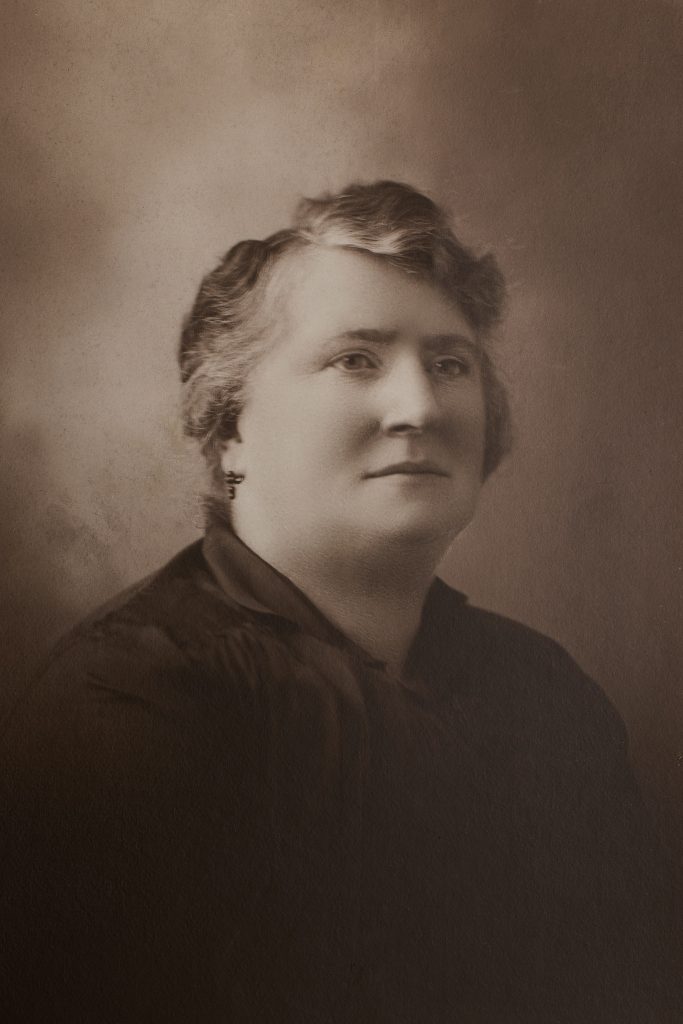
Figure 3: Catherine F. Murphy (née O’Shea), c. 1928.
The hospitality offered by staff at Murphy’s Hotel was documented regularly in newspaper articles, beginning with this one in 1930:
Staff and employees of the Eagle Printing Works made their annual excursion to Kinsale on July 5th. They arrived in town at 12:30 pm, and proceeded to Murphy’s Hotel, where dinner was served in the spacious dining hall. The excursion party numbered over one hundred and in an hotel, where large parties are not a common occurrence, you would expect to see a lot of confusion and delay. Not only was that not the case, however, but the speed and smoothness with which the large party were got through, must have been the reason why the Eagle printing staff have made Murphy’s Hotel their rendezvous for the past three years.
Thus they came out of the hotel very satisfied, and several of the happy crowd spent some time rowing around the harbour, and then once more accommodated themselves in two buses to Garrettstown…
The closing of the sports was the signal for the return journey to Kinsale, where tea was ready for them at Murphy’s Hotel, the process being again carried out in an expeditious and pleasing manner. After tea, many explored the many points of interest in this very ancient, historic town, or enjoyed the quiet beauty and heavenly restfulness of the sheltered harbour by availing of the many marine walks which encircle it. It was an appropriate lull between the excitement of tea and the strenuous dancing which was to follow. The dance was held in the fine ballroom of Murphy’s Hotel, and music was supplied by the Kinsale Orchestra…
The day was food for thought. It showed that, with some extra energy and enthusiasm, the staff at Murphy’s Hotel were able to cope with one hundred guests in a manner both quick and courteous. The catering was satisfactory and expeditious as any of the leading Cork hotels could wish to have it.[10]
It appears that two of the Murphy daughters who worked at the hotel, Mamie and Tess, also excelled in organising community sporting events, such as this one in 1934:
We are informed that a cycling corps is to be forthwith instituted into the outdoor sporting attractions of Kinsale, and Miss Mary Murphy and Miss Tessie Murphy have taken on the work of organising this very commendable form of recreation. All success to their efforts![11]
Mamie even performed in public in about 1935:
Mary Murphy (Mamie), a hotelier in Pearse Street, sings ‘The End of a Perfect Day’ at a Temperance Hall concert.[12]
Meanwhile, during an interview with a US newspaper in 1935, Jack Murphy, the first of Catherine and Michael’s children to emigrate, recounted his memories of the days following the sinking of the Lusitania. In it, he mentions, ‘My mother managed the little store and ran the hotel where we lived with nine brothers and sisters.’
He reports how he had watched German U-boats surface along the Irish coast during the first world war.[13] Early on the morning of 7 May 1915 he reported that he’d bicycled out to the Old Head of Kinsale in anticipation of the British ocean liner, HMS Lusitania passing the coast on its voyage from New York to Liverpool. He then heard a torpedo strike and witnessed the Lusitania sink.[14]
That interview with Jack, published on 8 August 1935, indicates how closely he was following reports of salvage expeditions to the Lusitania. In particular, he mentioned the operation being planned by the crew of the Orphir, but expressed doubt the mission would be successful:
Somehow it’s hard for me to believe the Orphir will ever salvage the Lusitania. Even if they find the hulk15 it seems to me it would be silted over by the strong tides. Kinsale is all excited about the salvage operations. My mother and two sisters still run the hotel there and they wrote me that the officers of the Orphir had stayed there overnight.
On 6 October 1935, Henry Russell, captain of the Orphir, successfully led the first expedition to find the Lusitania off the Old Head. A month later, on 6 November 1935, a luncheon was held in the dining room of Murphy’s Hotel (see Figure 4) for Captain Russell and the ship’s crew to celebrate their success (see Figures 5). His signature appears on the back of the hotel’s menu along with the signature of
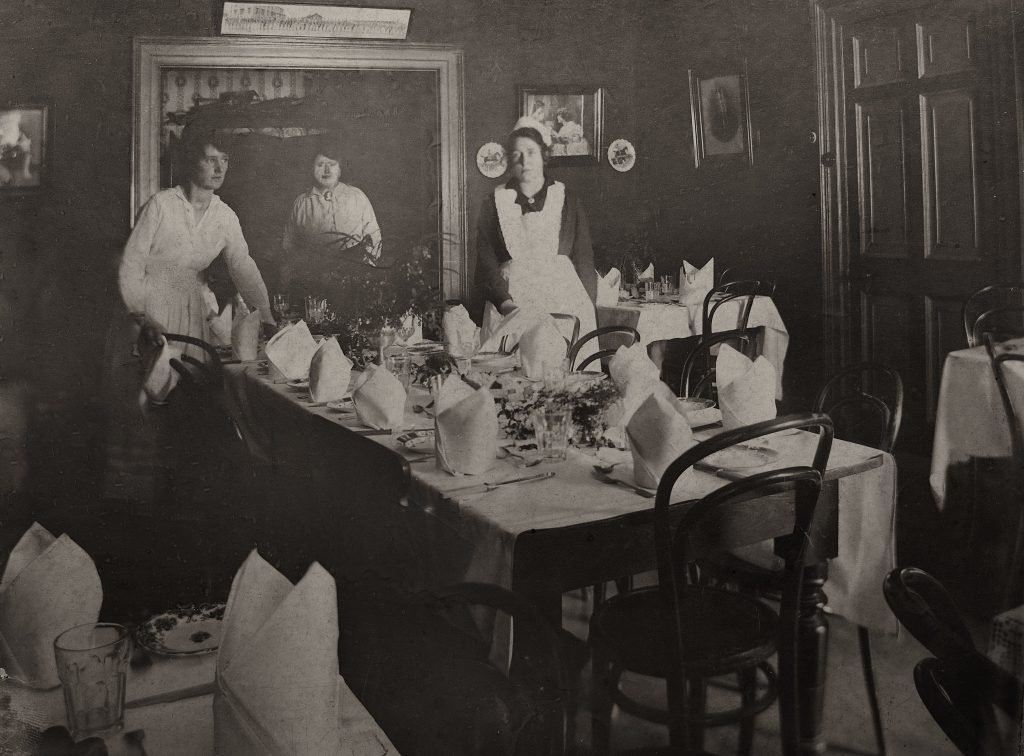
Figure 4: Dining room of Murphy’s Hotel. Not dated.
Catherine’s youngest daughter, Tess. The signature M. Murphy also appears and could be either Mona or Mylie Murphys’.
Three days later, a summary of the Orphir’s salvage expedition was published, including details of the first memorial service held at sea over the site of the sunken Lusitania. Among the guests invited to attend the service were ‘Misses Mamie and Tess Murphy’ of Murphy’s Hotel. It was noted that ‘On returning to Kinsale the guests were entertained to luncheon at Murphy’s Hotel, by Captain Russell, and (that) an excellent menu had been served…’[15]
The hotel continued to receive positive reviews in the local press. In one example we find that the Chairman of the Kinsale Association ‘said he had a very interesting interview with Mr. O’Kelly of the Irish Tourist Association, who was recently staying at Murphy’s Hotel. That gentleman was so impressed with Kinsale that he intended to come back in September…’[16] In another, it was reported that lectures had taken place at Desmond Castle and the Convent of Mercy, followed by entertainment at Murphy’s Hotel.[17]
Catherine Murphy passed away on 9 December 1937 at the age of 69 and is buried in the Abbeylands Graveyard alongside her husband, Michael, and daughters, Mona and Tess (see Figure 8). Judging by the tribute written in the local newspaper upon her death (reproduced below), she was a widely respected business leader in Kinsale.
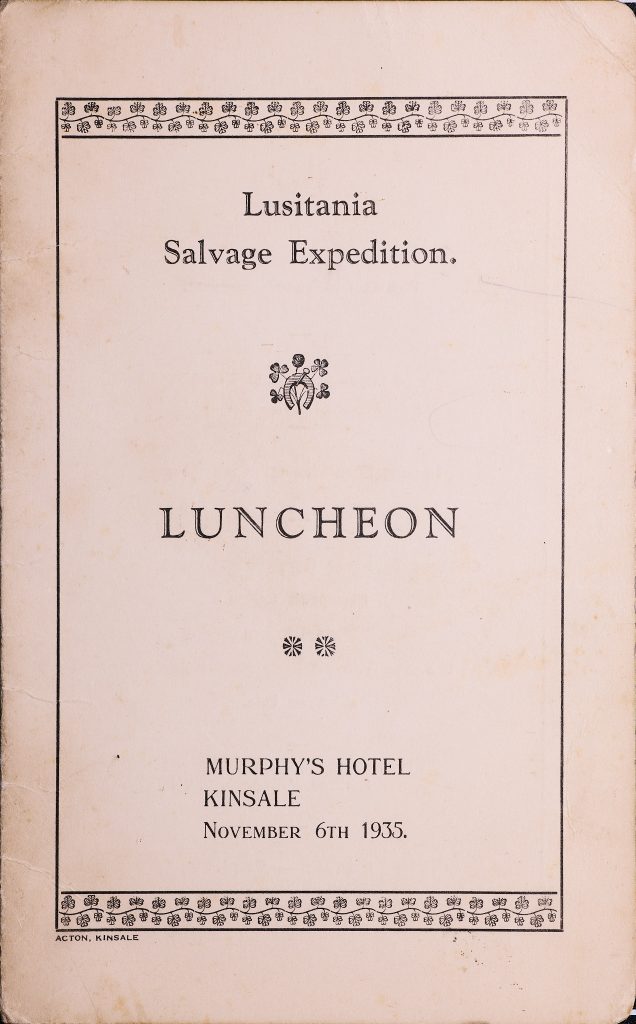
Figure 5: Front cover of 1935 menu, now in the collection of the Lusitania Museum & Old Head Signal Tower, Kinsale.
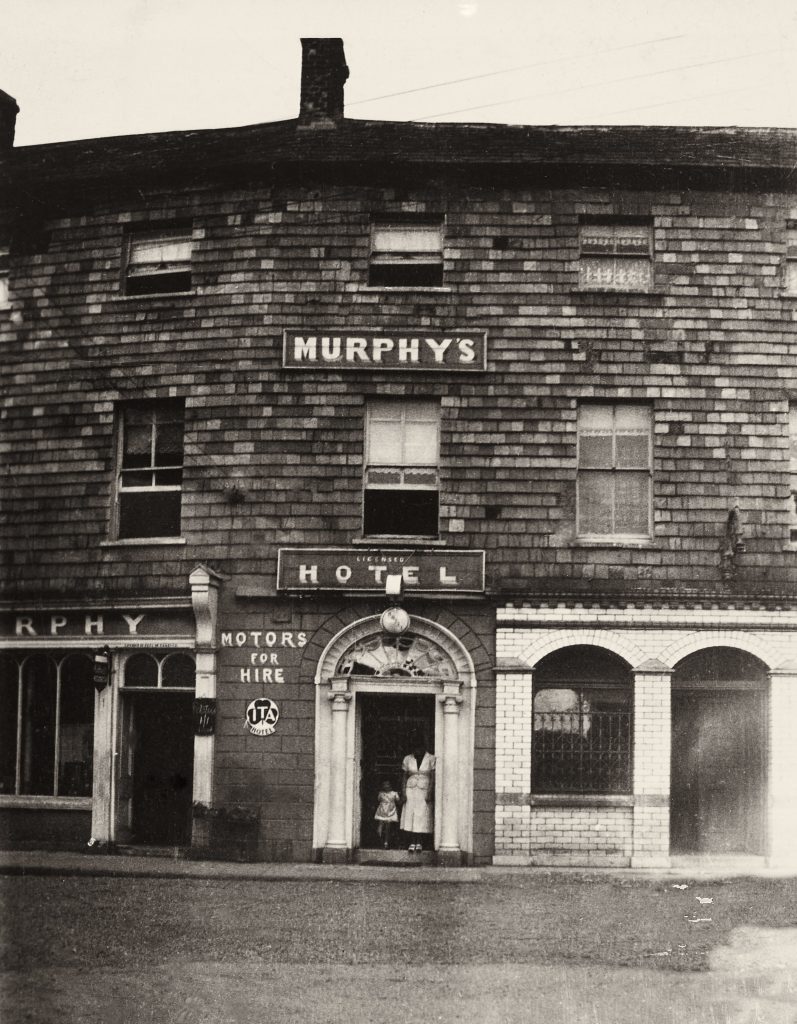
Figure 6: Murphy’s Hotel, summer 1936. Probably taken by Charlie Murphy while visiting Kinsale with his wife, Margaret (my grandparents) and their daughter, Catherine (my mother).
After Catherine’s death, the hotel continued in the family for another 26 years before being sold. Ownership passed from Catherine to her daughters, Mamie and Rita. Mamie sold her share to Rita when Rita married Tim Murphy, who also owned the Eldon Hotel in Skibbereen[18]
In November 1945, the local newspaper reported that ‘Mr. D. McClement, solicitor, Cork, applied for an ad interim transfer of the licence held by Miss Catherine Murphy, The Hotel, Kinsale, to Miss Catherine Murphy as nominee of Messers. Murphy and Cronin Ltd. The application was granted.’[19]
Interestingly, Murphy’s Hotel was known as Central Hotel for a period of about 10 years, as can be seen in adverts in the local press between May 1946 and April 1956.
In December 1963, Tom Allen, a farmer from West Cork, and his wife purchased the hotel from Rita and Tim Murphy: Mr. Thomas Allen, formerly of Ballymartle, Kinsale has this week taken over Murphy’s Hotel, and here again there will be further extension work carried out, so…the trend of the accommodation of tourists is developing on a large scale.[20]
The hotel continued to operate under the name of Murphy’s Hotel after it was sold to the Allens. It was staffed by their ten daughters (including two sets of twins) (see Figure 7) and three additional hired staff. In a newspaper article about the family,[21] Mr Allen said that “the eldest [daughter], Gertrude and the twins Anne and Mary took hotel courses in Cobh and got experience in Cork” prior to working at the hotel. He also indicated that “We had to make many alterations, but we still need to extend much further, especially the dining-space. We never seem to have enough space there and it’s terrible to have to turn people away.”
On 8 January 1966, the Christmas Party at Murphy’s Hotel received a press notice:
The local Red Cross on Thursday organised the Christmas party for the old folks of the area at Murphy’s Hotel. The branch President, Rev. Dennis O’Connor, G.C., welcomed the forty guests and thanked them for coming. A high Tea, consisting of turkey and ham and plum pudding and all the nice things that go with such a festive occasion, was served by the hotel management, assisted by the ever kindly officers and members of the branch, among whom were Miss Kally Hurley (chairman); Miss Eileen Murphy, Hon. Sec., Miss D. O’Brien, Hon. Treas.; Miss Mary McCarthy and Miss Noreen Kelly. After the meal was over the party of old folks were joined in the singing of ballads and old time songs by Fr. O’Connor and Fr. J. Hyde, so the entire evening left its pleasant memories. When the curtain was rung down the guests were driven to their respective homes by private cars.[22]
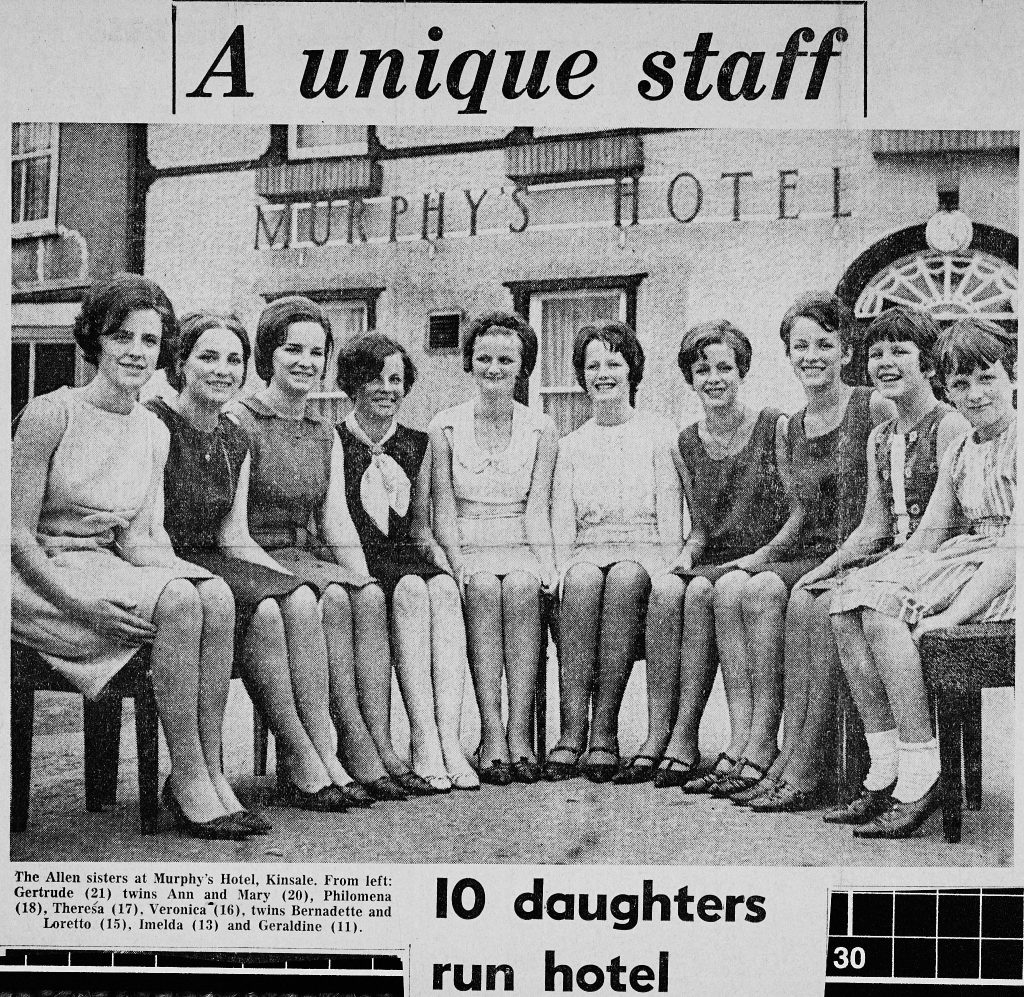
Figure 7: The Allen sisters posing for a newspaper photo. Newspaper not identified or dated.
Several years later, the Cork Examiner reported on page 1 that five masked men stole two antique pistols from Murphy’s Hotel at 10 pm on 14 October 1971. Bernadette Allen was on duty at the reception desk at the time of the robbery.
On 15 March 1975, the Cork Examiner published an advert (p. 6) taken out by Osborne King & Megran. It was a notice of Murphy’s Hotel being put up for auction at the Imperial Hotel in Cork, with the auction date set for 19 March 1975 ‘on the instructions of Mrs. J.M. Allen, who is retiring from business.’ The advert stated that the hotel was comprised of a ‘Spacious bar, residential lounge, large dining room, fitted kitchen, 14 bedrooms in all, bathrooms, toilets, etc.’ and came with a full public spirit licence. This is the most comprehensive description of hotel’s interior I’ve seen.
Murphy’s Hotel survived another 11 months after the auction. Rita Murphy passed away on 6 September 1975 and in February 1976, ownership passed from the Allen family to Joe Cotter. During his ownership, a bar was in operation but I’m not aware of whether the building still had a hotel or when the Murphy name disappeared from the front facade. Since then, the former hotel has housed several restaurants and pubs, among them Harvey’s, Oyster Inn, Creole and La Bohéme. In a coincidental nod to history, the historic building that once was Murphy’s Hotel, today houses a hotel (No. 1 Townhouse) — as well as a pub (Kitty O’Sé’s¯ ) that bears the nickname and maiden name of my great grandmother, Catherine O’Shea, the first proprietress of Murphy’s Hotel.
§
A tribute was published in the Southern Star’s Christmas issue after Catherine’s funeral.[23]
KINSALE BUSINESS COMMUNITY’S LOSS Death of Mrs Catherine F. Murphy
In the lamented death of Mrs. Catherine F. Murphy, widow of the late Mr. Michael Murphy, and proprietress of Murphy’s Hotel, the town of Kinsale has lost one of its most enterprising and esteemed citizens. Combining a wealth of business acumen and initiative with great kindness of heart, and an integrity which made her word her bond, she built up a lucrative and flourishing general business. An exemplary Catholic, she was noted for her charity.
It is only within recent weeks that the late Mrs. Murphy retired from the active sphere.
She leaves six daughters and four sons, and a large circle of relatives and friends to mourn her passing, and to them the deepest sympathy goes forth in their great sorrow and loss.
The funeral, which took place from the residence to the Carmelite Abbey, was of remarkably large and most representative proportions, including persons of prominence in the public, professional and commercial life. It was indeed a tribute to the memory of (the) deceased and to her respected family.
The officiating priests were: …
The chief mourners were: …
The general public in attendance included: …
There were numerous wreaths, including the following:—“To our darling mother from her heartbroken Mamie and Mona”; “In loving remembrance of our dear mother from her affectionate daughter and son, Eileen and Michael”; “To darling mother, from Miley and May”; “To our own dear mother, from Tess and Dick”; “To the dearest of mothers, from Rita, Tim and children”; “To our darling mother with all our love, from Francie, Jerry and family”; “To our darling Gran., from her pets, Clare and Mona”; “To my own darling Gran., from M with love”, “To our darling Aunt and best friend, from May and Stephen”; “Deep sorrow—Janey”; “In loving remembrance, from Dan and Tess”; “With sincerest sympathy, from May and Maurice”;
…
Mass cards were sent by …
Numerous telegrams and letters of sympathy were received.
VOTE OF CONDOLENCE.
At a special meeting of the Kinsale Development Association held at the Courthouse, Kinsale, during the week, the following vote of condolence, proposed by Mr. T.I. Alexander, M.R.O.V.S., and seconded by Mr. J. Coleman, was passed with Miss Murphy and family:—“That we, the Committee of the Kinsale Development Association, desire to place on record our deepest regret at the passing of our friend and esteemed fellow-member, Mrs. Catherine Murphy, whose business attributes and excellent civic qualities, combined with a generous and warm-hearted personality, distinguished her as a woman of integrity and keen ability, and won for her the respect of all who came in contact with her; that we also wish to convey to Miss Murphy and the other members of the family our heartfelt sympathy on the sad occasion of their respected mother’s death, and trust that the widespread esteem in which she was held and the genuine regret expressed at her passing may help in some degree to lessen the poignancy of their grief and comfort them in their great sorrow.”
The Rev. R. Beresford Poer, M.A., who presided, said he came specially to the meeting as he would like to show, even in a small way, the sympathy he felt for the Murphy family in the loss they had sustained in the lamented death of their mother, who possessed so many estimable traits, chief among them being a great kindness of heart.
The other members associating themselves, the vote was passed in silence, all standing.
The other members present were Messrs. W. Acton, J. Murphy, E. O’Halloran, J. Savage, D.J. Cowhig, and Miss L. O’Connell.
Letters regretting inability to attend and desiring to be associated with the tribute were read from Messrs. E. O’Neill, M.D.; M.R. Hegarty, solicitor; D.H. Acton, P.C.; and E.E. Wolfe. §
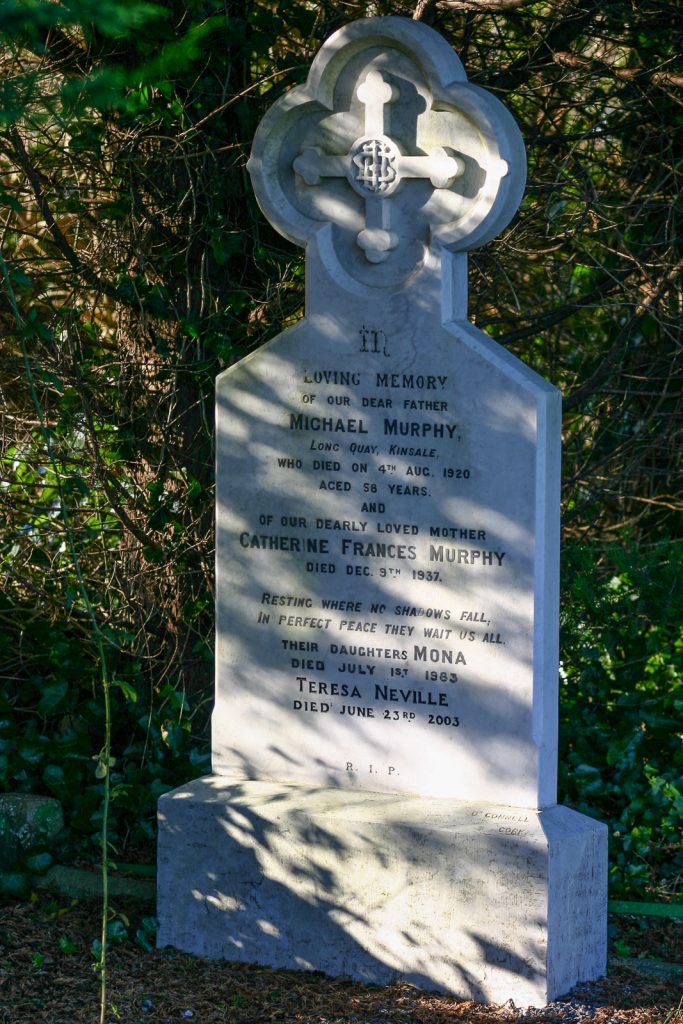
Figure 8: Murphy family tombstone, Abbeylands Graveyard, Kinsale. Photo taken in 2005.
[1] tom.klee@gmail.com; PO Box 1172, Dunsborough, Western Australia 6281 1The armed police force of the United Kingdom in Ireland between 1822–1922.
[2] Southern Star, 22 September 1900, p. 8.
[3] Southern Star, 20 October 1900, p. 8.
[4] https://failteromhat.com/guy/kinsale.php
[5] The Cork Examiner, 11 May 1915, p. 6; Southern Star, 15 May 1915, p. 2
[6] Cork County Eagle and Munster Advertiser, 29 July 1916, p. 2
[7] The word temperance also featured in the name of at least one other local building then: The Temperance Hall in Emmet Place, built in 1885 and still there today.
[8] Ryan, D. The Gardai in Kinsale. The Kinsale Record, 7, 1997, pp. 32-5. https://corkdigitalarchive.ie/. It should be noted this is a secondary source and that no primary source was provided in the article.
[9] Southern Star, 7 December 1929, p. 11
[10] Southern Star, 12 July 1930, p. 9
[11] Southern Star, 12 May 1934, p. 6
[12] Fitzgerald, C. A night to remember – the Temperance Hall, Kinsale. The Kinsale Record, 5, 1995, pp. 62-3. https://corkdigitalarchive.ie/
[13] ‘City Man Who Saw Sinking of Lusitania Recalls Tragic Scene as U-Boat Torpedo Sent Huge Luxury Ship to Watery Grave’, The Indianapolis Times, 8 August 1935, p. 1
[14] It is not possible to know whether his story was embellished or not, but no family member ever expressed skepticism about his eye witness account to my knowledge. 15Likely a misprint of hull.
[15] Southern Star, 9 November 1935, pp. 6-7
[16] Southern Star, 17 July 1937, p. 4
[17] Southern Star, 31 July 1937, p. 7
[18] Personal communication, Niamh O’Connell, after interviewing her aunts (some of the Allen sisters who earlier had run the hotel.), 13 November 2025.
[19] Southern Star, p. 4.
[20] Southern Star, 28 December 1963 p. 2
[21] Unfortunately, the newspaper clipping was not dated not could the name of the paper be identified. Judging from the hairstyles and clothing worn by the daughters, the photo appears to have been taken sometime during the 1950s or ’60s.)
[22] Southern Star, p. 4.
[23] The obituary page could not be found in the electronic archive of the Irish Newspaper Archive; however, my grandfather had a photocopy of it.